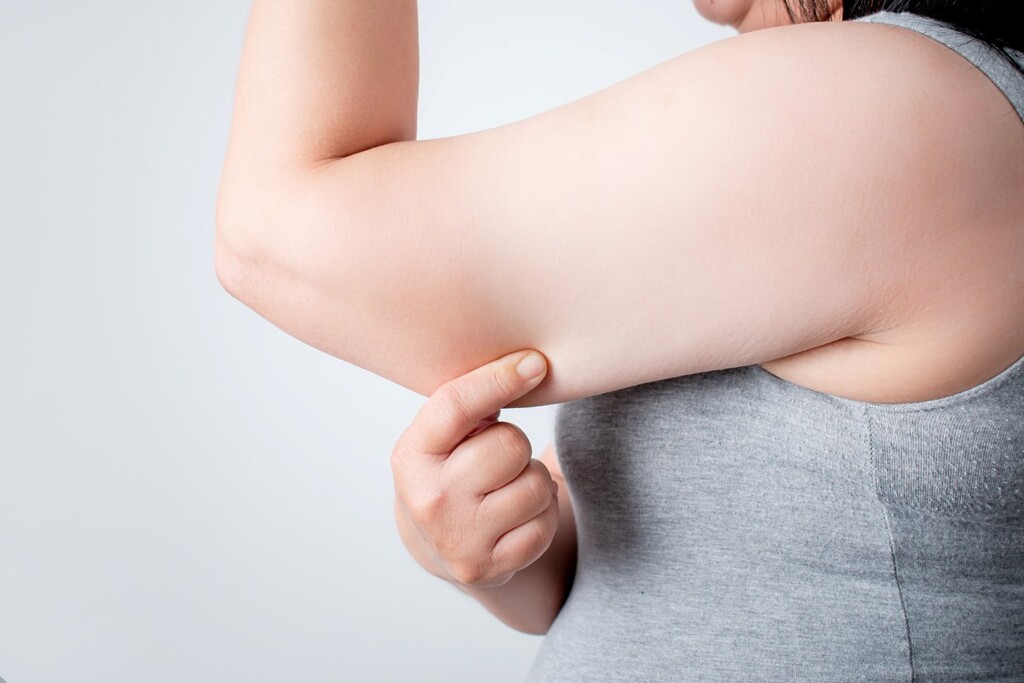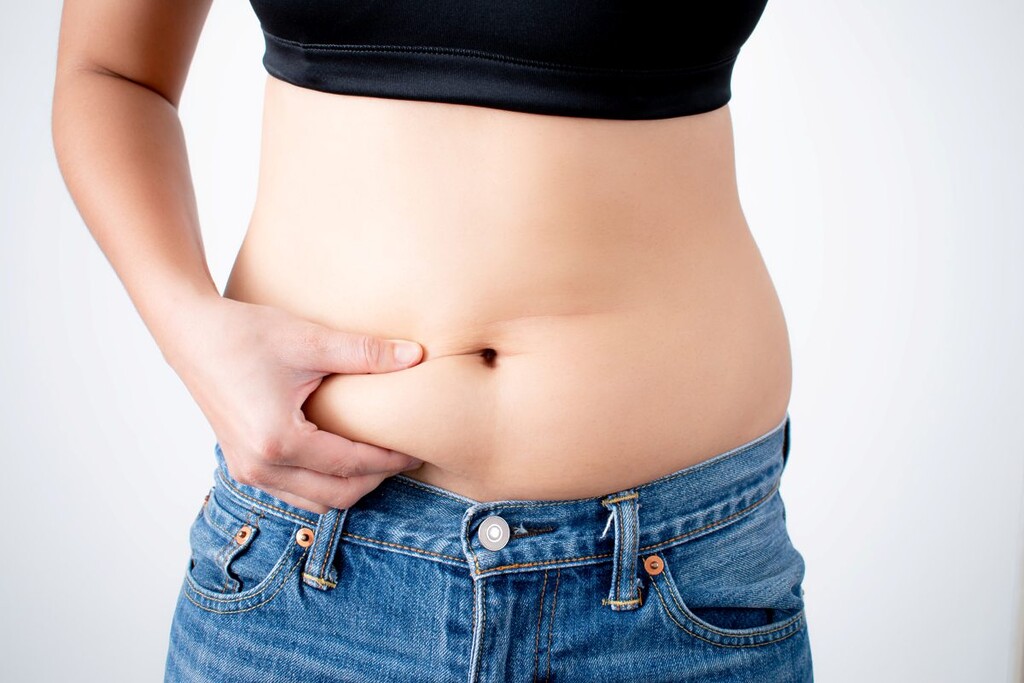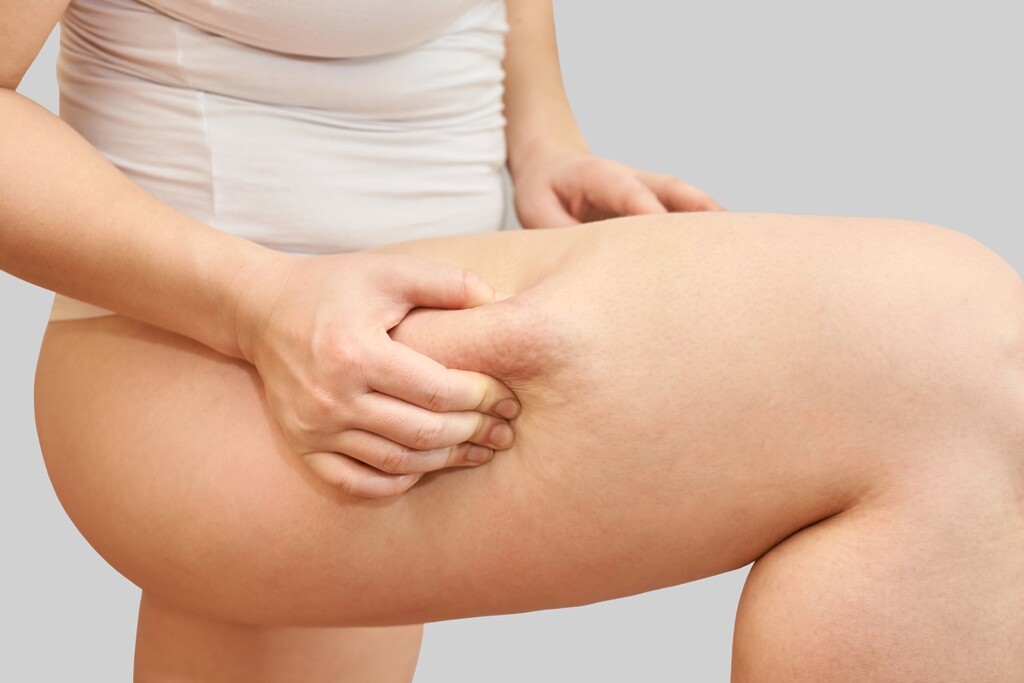
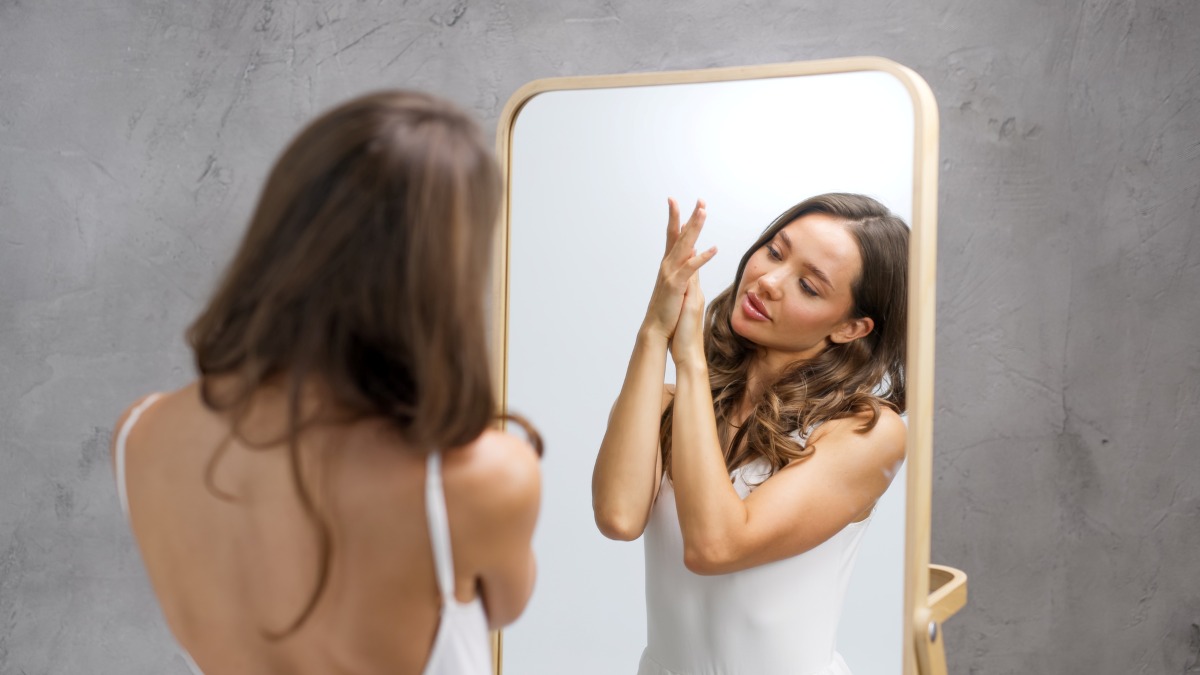
We all have those moments when we catch our reflection and see something we wish looked different. Maybe it’s a small detail — or maybe it’s something that’s quietly affected our confidence for years. That’s body image in action: how we see, think about, and feel about our own appearance.
And while it’s completely normal to have mixed feelings about how we look, the reality is that body image and mental health are deeply connected. When body image becomes a source of stress or self-criticism, it can begin to influence how we feel, how we socialise, and even how we take care of ourselves.
Let’s explore how this connection works — and more importantly, what we can do to move from self-judgement to self-acceptance.
What Is Body Image, Really?
Body image isn’t just about mirrors or photographs. It’s an entire mental picture built from:
- How you perceive your body (accurate or not)
- How you feel about it — confidence, pride, discomfort, or even shame
- What you believe others see when they look at you
It’s shaped by a mix of personal experiences, cultural influences, media messaging, and even the people around us. Over time, these layers create our internal “body story” — and that story can either build confidence or quietly chip away at it.
The Mental Health Impact of Negative Body Image
A negative body image doesn’t just affect how we dress or pose for photos; it can subtly influence almost every part of life.
1. Self-Esteem and Identity
When we constantly compare ourselves to unrealistic standards — whether that’s on social media or in everyday life — it’s easy to feel like we’re falling short. This can lead to lower self-esteem, making us doubt our worth or hide parts of ourselves we shouldn’t have to.
2. Anxiety and Social Withdrawal
Research shows that poor body image is closely linked to social anxiety. People may avoid gatherings, beaches, gyms, or even dating because they feel uncomfortable in their own skin. Over time, this avoidance can make the world feel smaller and lonelier.
3. Depression and Low Mood
Persistent body dissatisfaction can lead to feelings of hopelessness or sadness, especially if someone feels stuck in a cycle of comparison or self-criticism. In severe cases, it can contribute to clinical depression or disordered eating.
4. Disconnection from Wellbeing
Ironically, when we feel negatively about our bodies, we often neglect them — skipping meals, avoiding exercise, or overworking ourselves. The body becomes something to manage, not to nurture.
Why Modern Life Makes It Harder
In the age of filters and highlight reels, we’re surrounded by curated perfection. Social media has blurred the line between aspiration and illusion, often setting unattainable standards that most of us subconsciously measure ourselves against.
Even when we know an image is edited, it still affects us. Psychologists call this “appearance comparison” — and it’s one of the biggest predictors of body dissatisfaction today.
But it’s not just about looks. It’s about identity, belonging, and the messages we internalise about what it means to be “enough.”
Building a Healthier Relationship with Your Body
Improving body image isn’t about ignoring your appearance — it’s about reframing your relationship with it. Here’s how:
1. Shift from Critique to Curiosity
When you look in the mirror, notice how you talk to yourself. Would you say those same things to a friend? Try replacing “I hate how this looks” with “What do I actually need today — rest, hydration, movement?”
Body kindness starts with awareness, not perfection.
2. Reconnect Through Movement
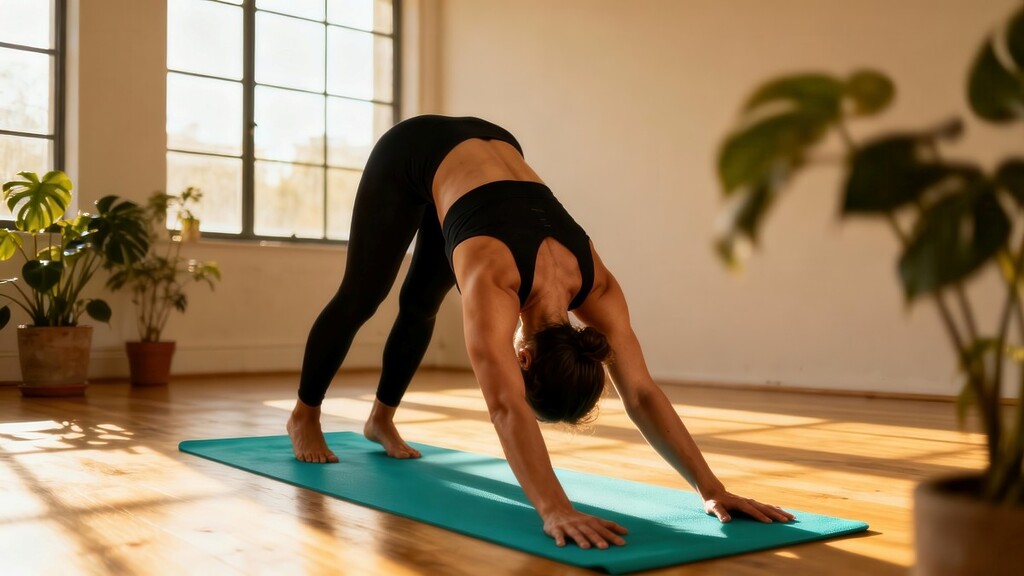
Exercise can be empowering — not because it changes how we look, but because it reminds us of what our bodies can do. Whether it’s walking, Pilates, or dancing in your living room, movement helps rebuild trust between body and mind.
3. Curate What You Consume
Unfollow accounts that make you feel inadequate, and fill your feed with diversity and authenticity instead. Seeing real, unfiltered bodies helps retrain your perception of what’s “normal.”
4. Seek Support When Needed
Talking to a therapist, counsellor, or trusted friend about body image struggles can bring enormous relief. Sometimes, an outside perspective helps you challenge old beliefs and build healthier ones.
Where Aesthetic Treatments Fit In
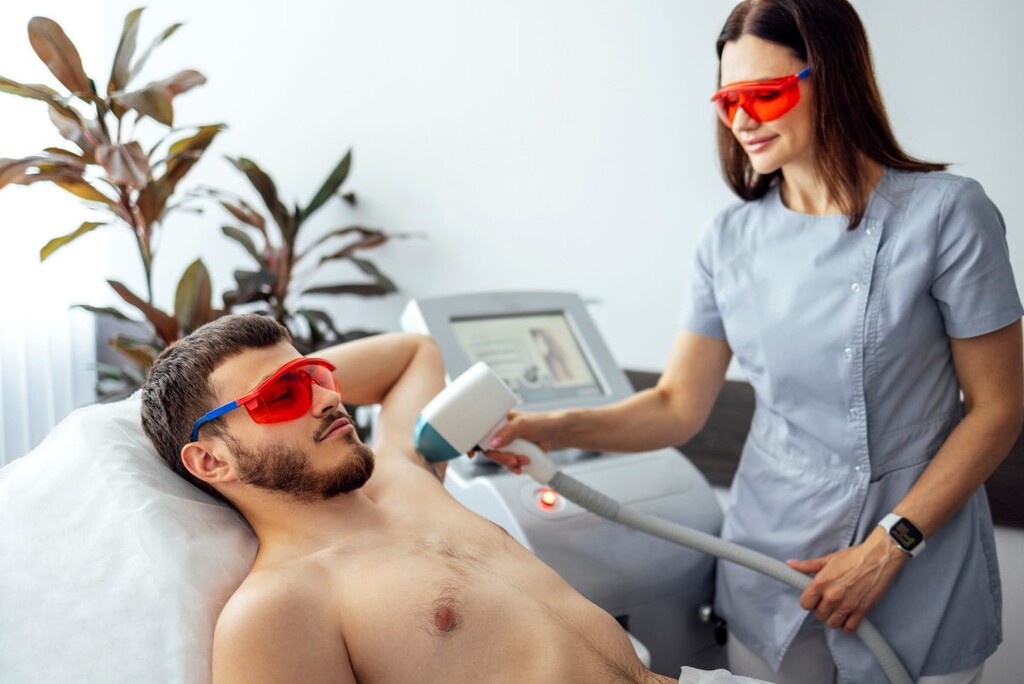
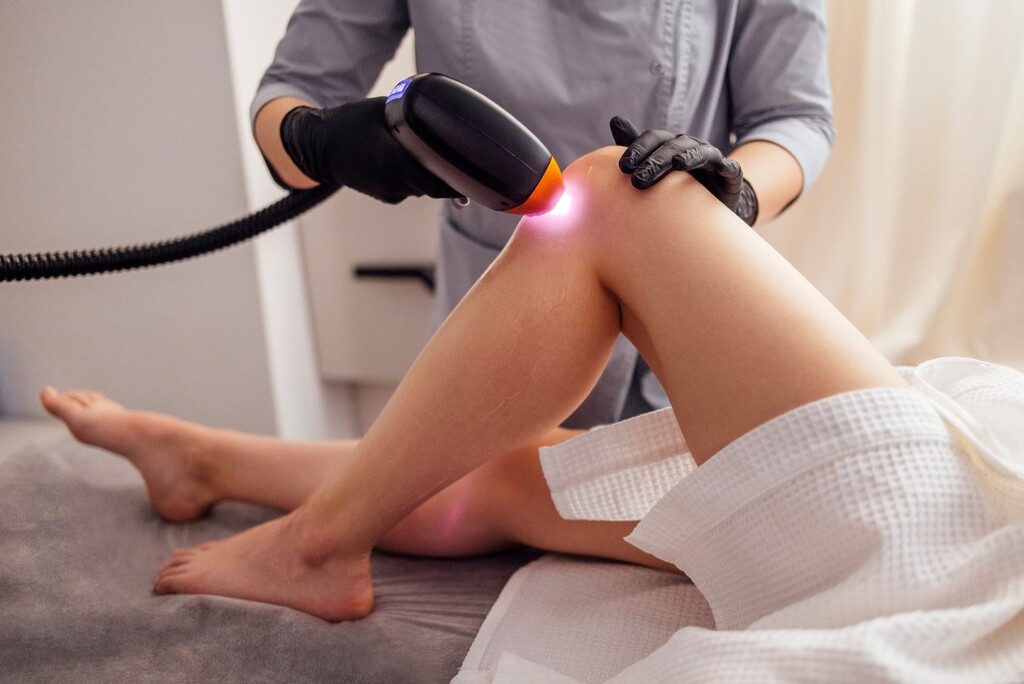
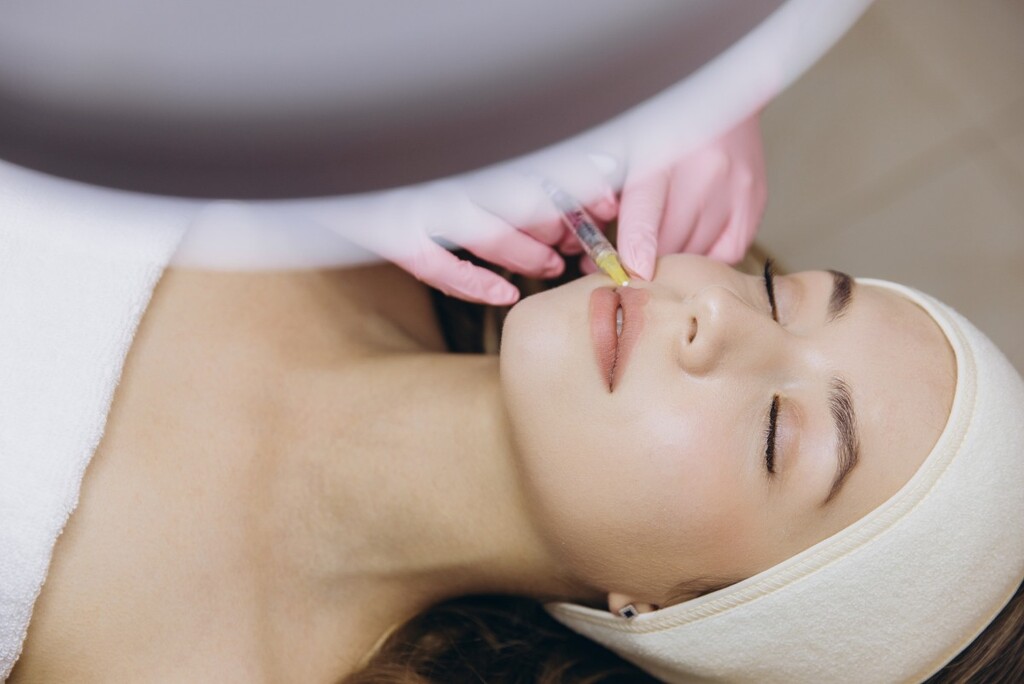
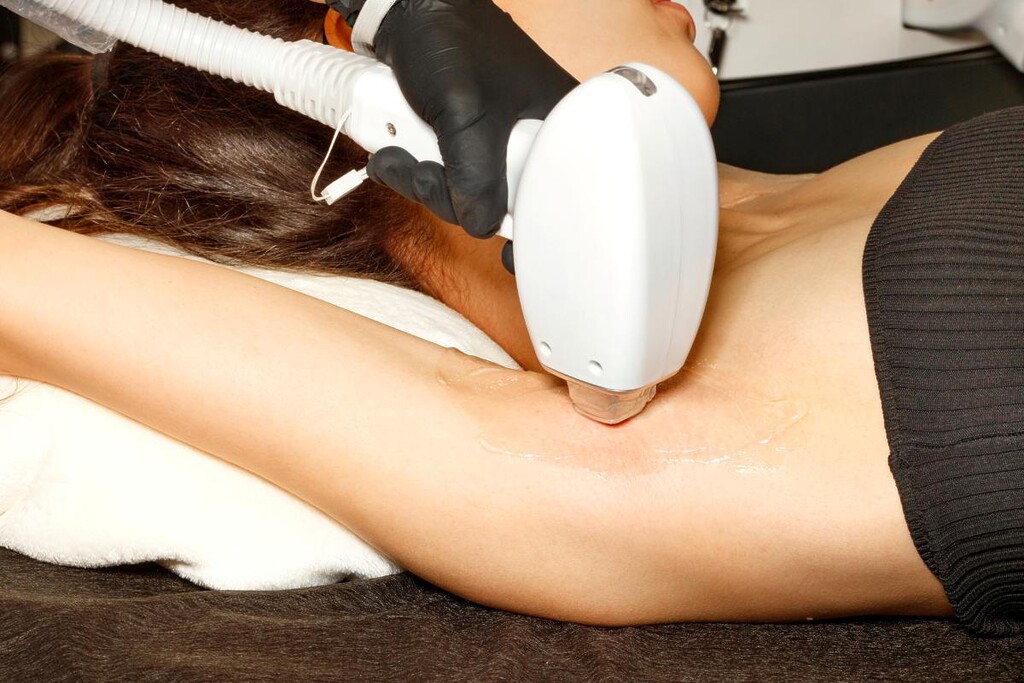
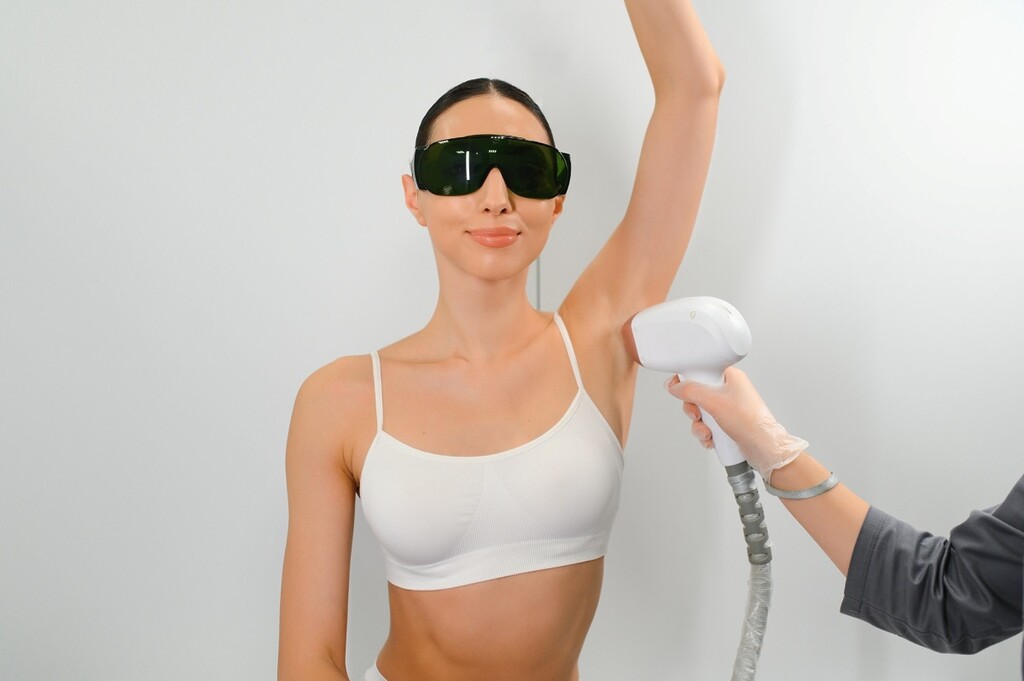
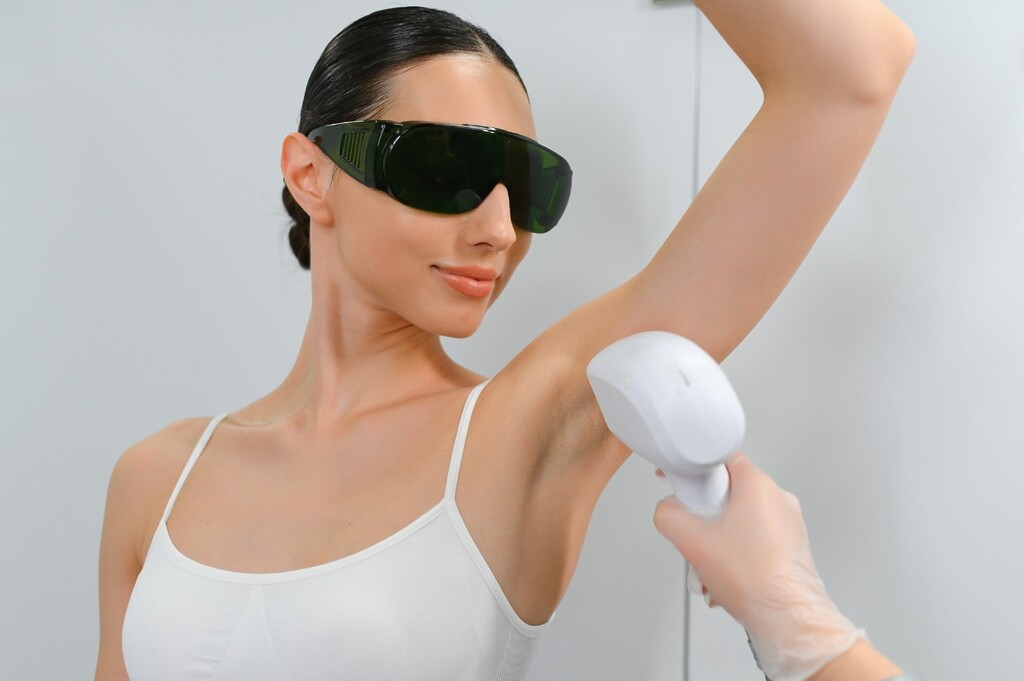
For some people, feeling more comfortable in their body also means exploring aesthetic treatments — not out of vanity, but as part of self-care.
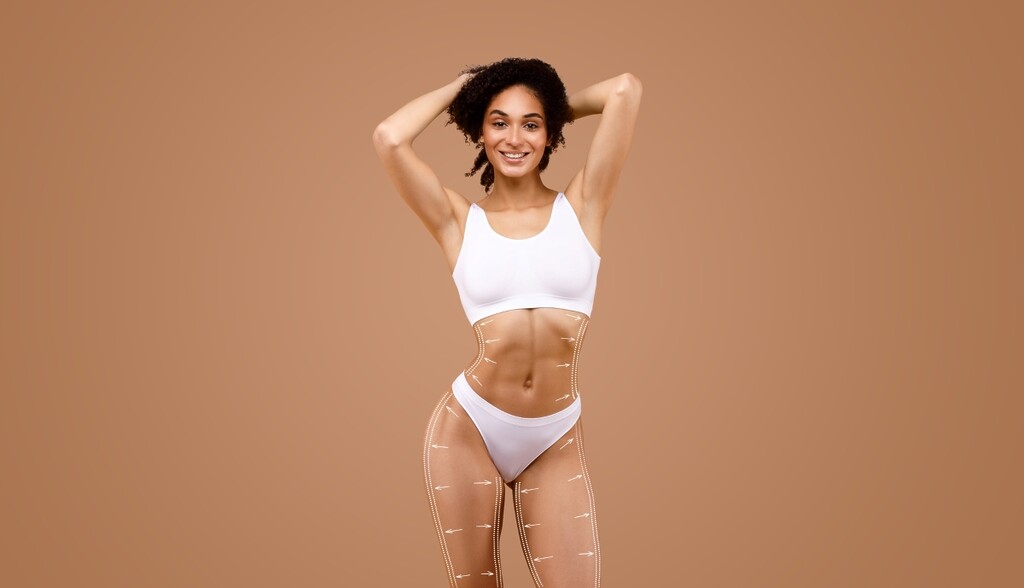
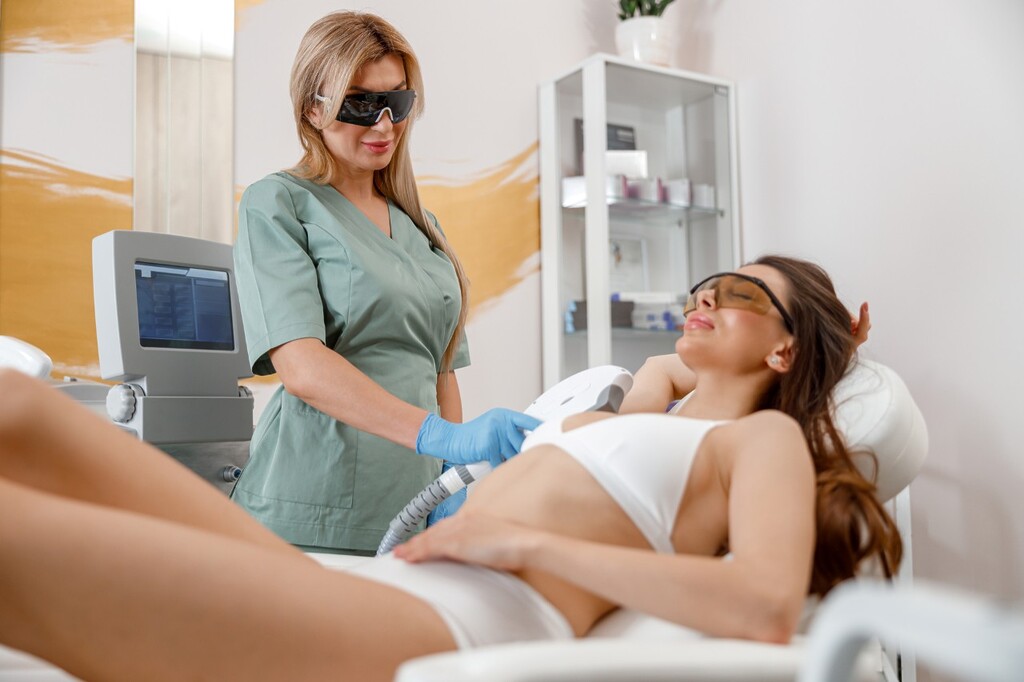
Modern treatments are no longer about drastic changes; they’re about refinement, confidence, and control. They allow people to align how they look with how they feel, in a way that supports mental wellbeing rather than undermines it.
At Body Crush London, we see this every day. A client might come in after years of feeling self-conscious about a small area — and leave standing taller, smiling wider, and finally feeling like themselves again.
It’s not just about the physical transformation; it’s about the emotional freedom that follows.
If you’re curious about confidence-building options, our guide to boosting self-esteem through aesthetics explores this balance in more depth.
The Power of Positive Change
Positive body image doesn’t mean loving every inch of yourself unconditionally — that’s unrealistic for most of us. It means accepting that your body deserves respect, care, and comfort, even on days when you don’t feel your best.
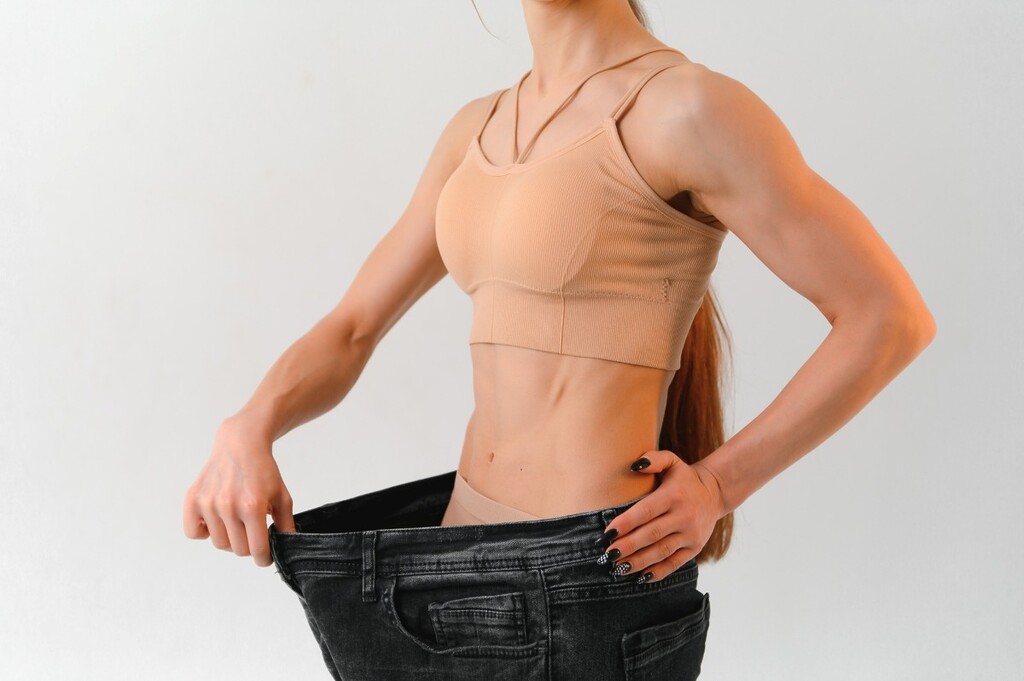
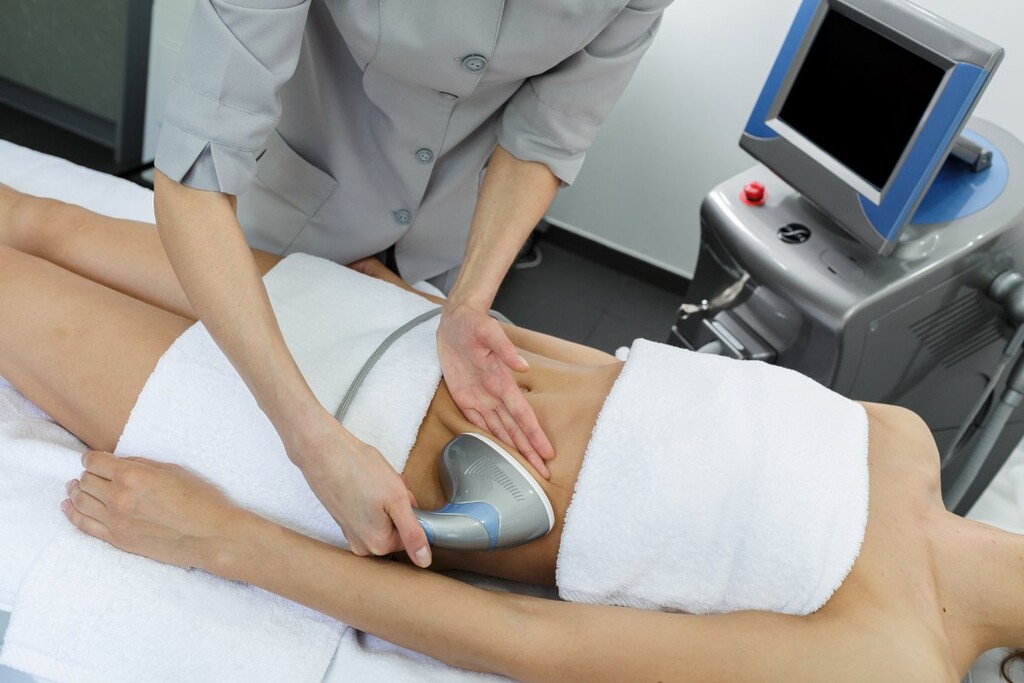
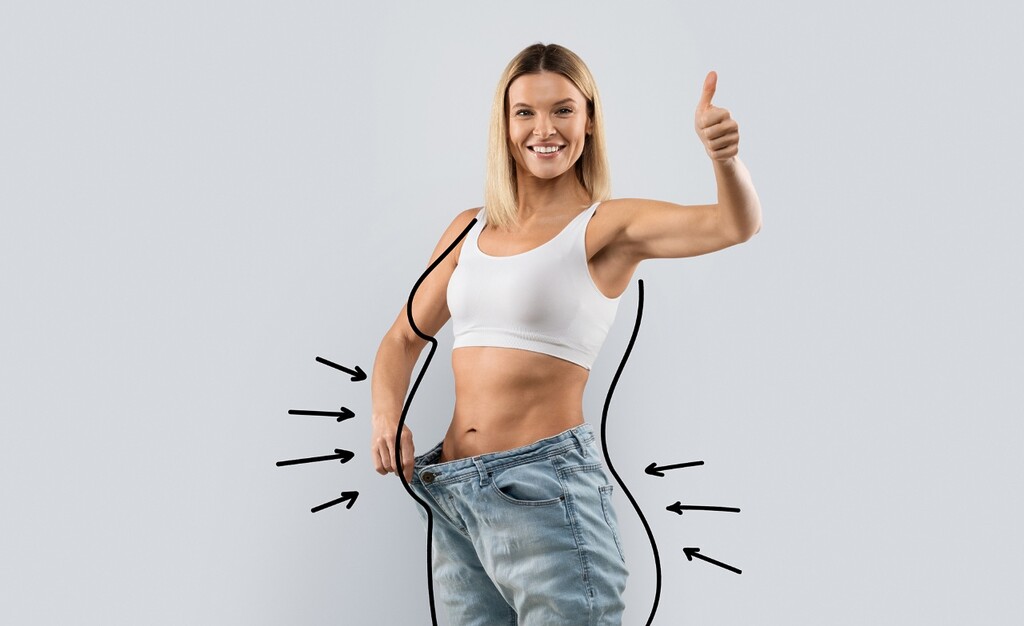
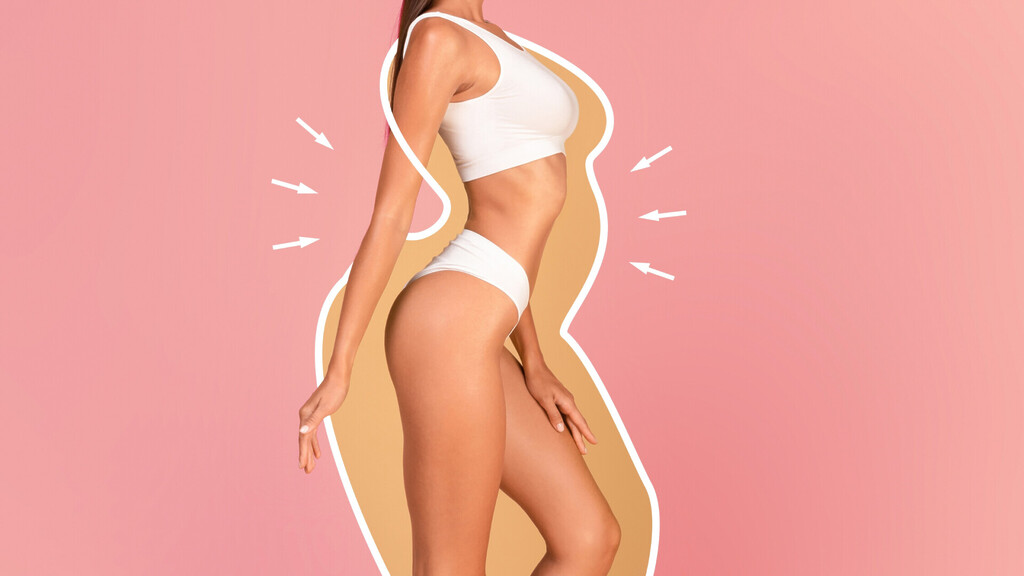
That might mean setting healthier routines, redefining beauty on your own terms, or seeking safe, empowering aesthetic treatments like our advanced solution for building muscle and reducing fat to help you feel stronger and more confident.
Because self-confidence isn’t about perfection. It’s about ownership. It’s about looking in the mirror and recognising yourself — not the version filtered through doubt or comparison.
Final Thoughts
How we feel about our bodies affects far more than appearance — it shapes our confidence, relationships, and overall wellbeing. A positive body image doesn’t come from changing who you are; it comes from reconnecting with yourself, inside and out.
Whether that means setting boundaries with social media, practising self-compassion, or exploring subtle aesthetic enhancements, the goal is the same: to feel at ease in your own skin.
At Body Crush London, we believe that feeling good isn’t superficial — it’s essential. When you feel confident in your body, your mental health follows suit — because confidence isn’t just seen, it’s felt.