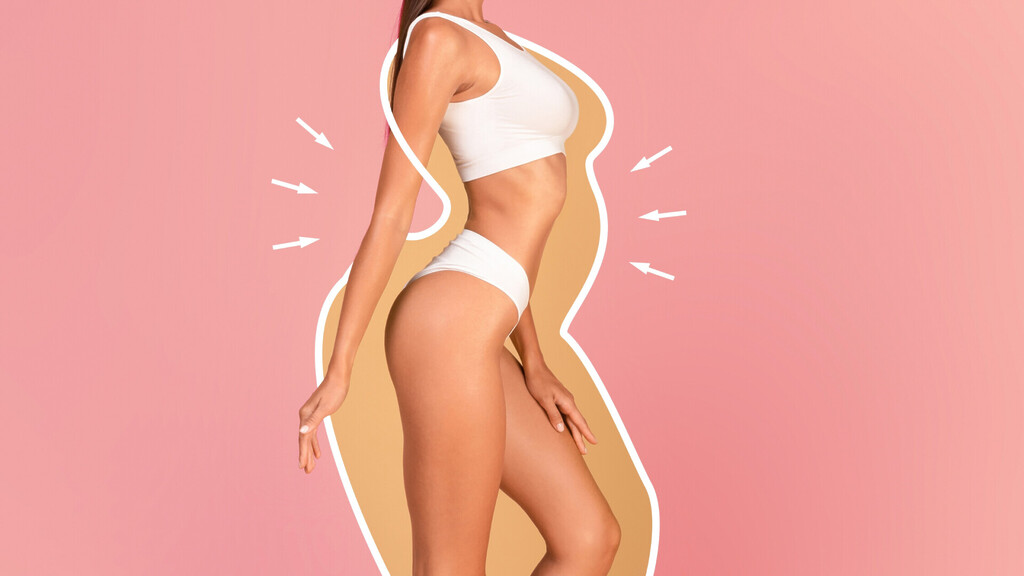

When people talk about “stubborn fat,” they often mean the thighs. That one area that, no matter how many squats or salads you commit to, somehow resists cooperation. It’s an age-old frustration. But here’s the thing – losing thigh fat isn’t about punishing workouts or surviving on green juice. It’s about strategy, consistency, and understanding how your body stores (and finally lets go of) fat.
So, let’s talk realistically about how to lose thigh fat – what works, what doesn’t, and how you can approach it in a way that actually feels doable.
1. Understand How Fat Loss Works (Spoiler: You Can’t “Spot Reduce”)
We know – you want those toned thighs now. But the truth is, you can’t choose where fat melts away first. Your body decides that, based on genetics, hormones, and overall body composition.
That doesn’t mean you’re powerless, though. When you lower your overall body fat through smart training and diet, your thighs will eventually catch up. It’s just not immediate. So the key isn’t targeting the thighs directly, but rather creating an environment where your body starts burning fat more efficiently across the board. Think of it as a system reset, not a local fix.
2. Focus on Compound Exercises That Burn More Calories
If you’ve been doing 100 inner thigh lifts every night before bed – we admire the effort, truly, but your time might be better spent elsewhere.
Compound movements like squats, lunges, step-ups, and deadlifts work multiple muscle groups at once. They engage your legs, glutes, and core, helping you build lean muscle (which in turn increases your resting metabolism). The result? You burn more calories, even when you’re not working out.
And no, lifting won’t “bulk” your legs – that’s a myth that’s overstayed its welcome. Strength training actually tightens and shapes your thighs, making them look leaner over time.
Try combining strength days with cardio sessions – maybe alternating a leg day with cycling or incline walking. You’ll hit the thighs from multiple angles without overtraining.
3. Incorporate Cardio That Actually Works for Fat Loss
Cardio often gets a bad rap, but when done right, it’s magic for fat reduction. The trick is finding the type that works for your body and schedule.
High-intensity interval training (HIIT) is particularly effective – short bursts of effort followed by rest periods. Think sprinting for 30 seconds, then walking for 60. Repeat 10–12 times and you’ll torch calories in half the time of a steady jog.
But don’t overlook low-intensity cardio like brisk walking or cycling. Especially on recovery days. It helps mobilise fat without exhausting your muscles. We think a mix of both – some fast-paced HIIT, some long walks – creates the best long-term results.
4. Clean Up Your Diet (Without Going Miserable)

No, you don’t have to swear off carbs forever. But the foods you eat play a huge role in whether your body stores or burns fat.
Aim for meals rich in lean proteins (chicken, eggs, tofu), fibre (vegetables, oats, lentils), and healthy fats (avocado, nuts, olive oil). Keep processed sugars and alcohol as “sometimes” choices rather than daily habits. Hydration also matters more than people realise. Water helps regulate metabolism and can even make your thighs look leaner by reducing bloating and water retention.
A balanced diet paired with movement creates the environment your body needs to finally let go of stubborn thigh fat – no gimmicks necessary.
5. Consider Non-Surgical Help for Stubborn Areas
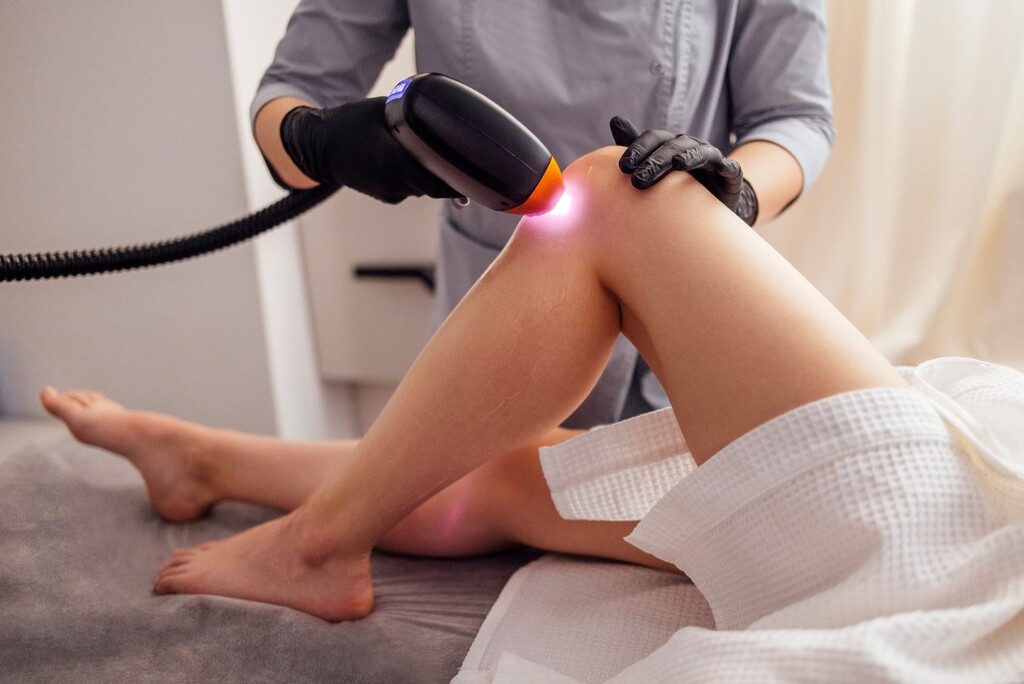
Even with a perfect routine, some people find their thighs simply refuse to cooperate. That’s when technology can lend a helping hand.
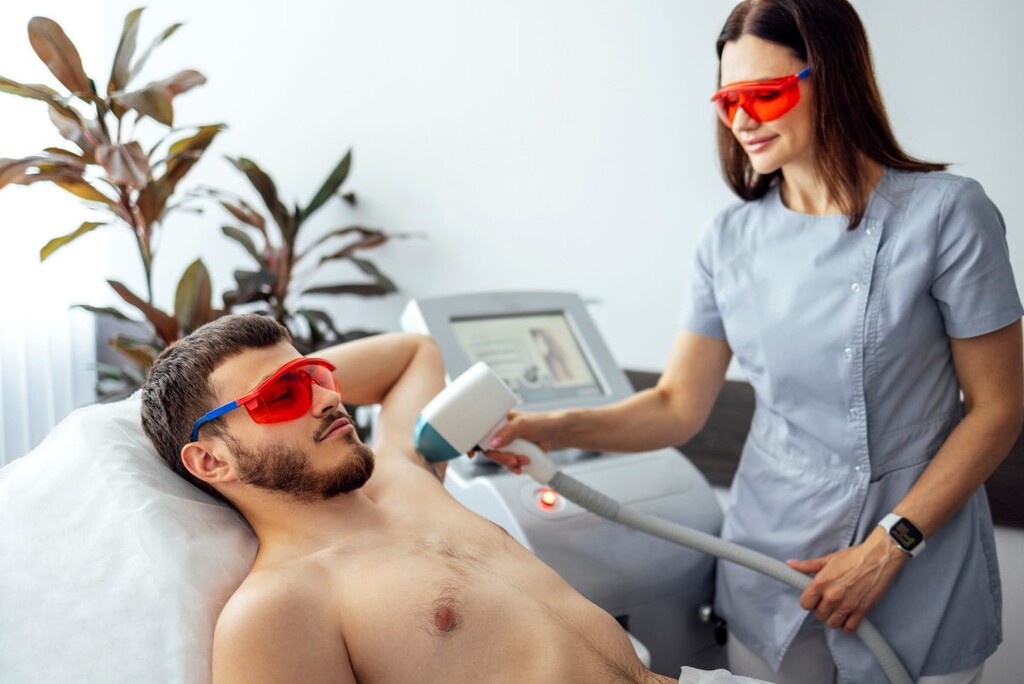
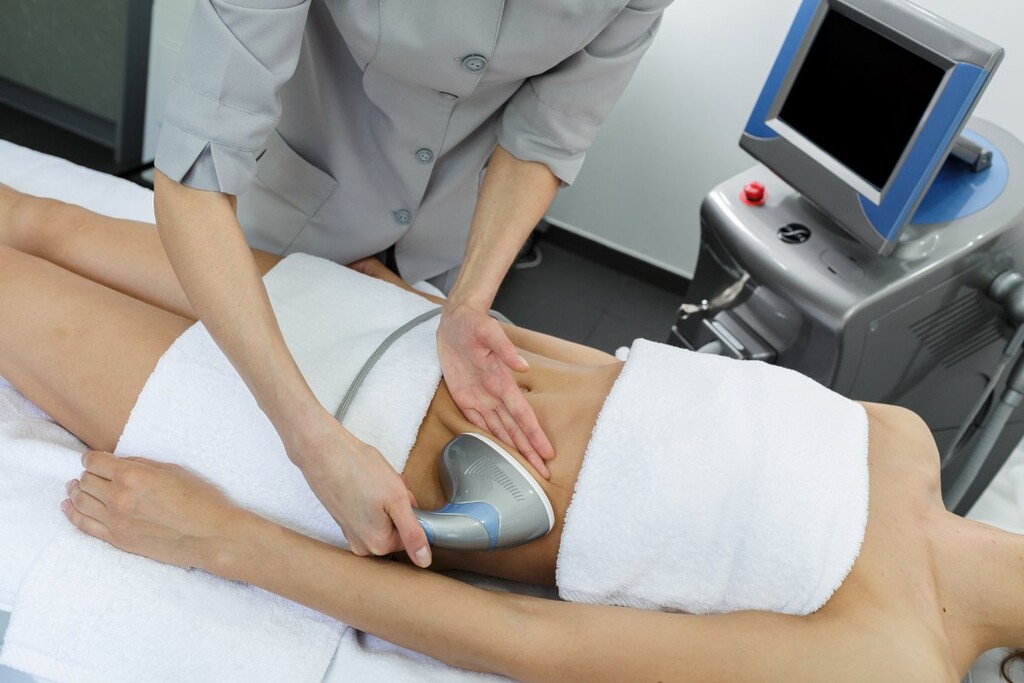
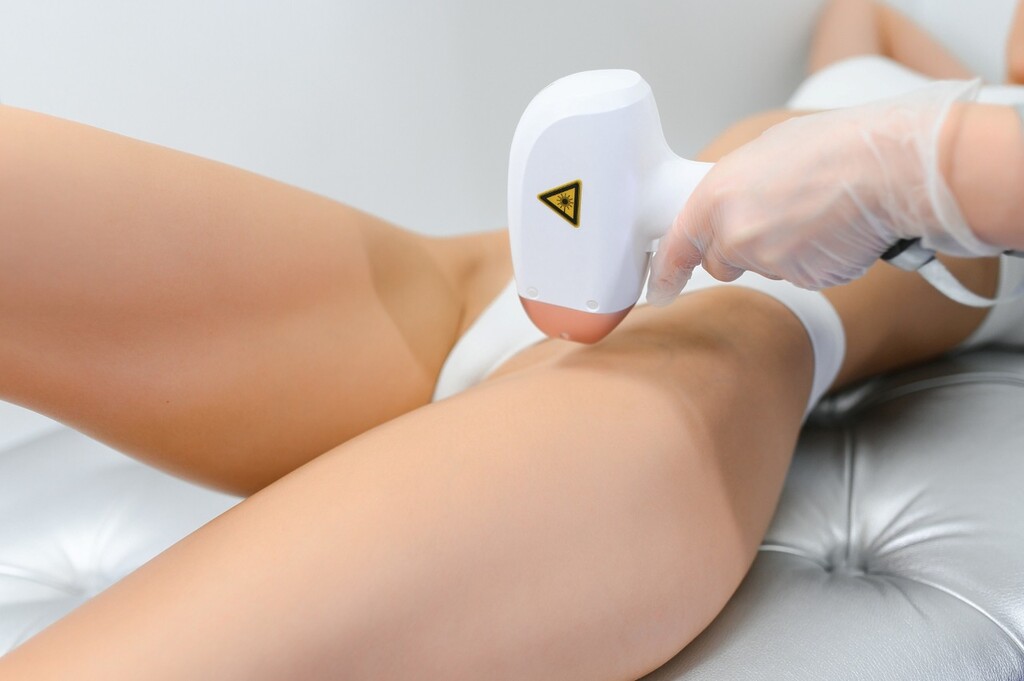
At BodyCrush London, treatments like non-invasive fat reduction solutions can target areas resistant to diet and exercise. Devices such as EMSCULPT NEO use radiofrequency and high-intensity electromagnetic energy to simultaneously reduce fat and build muscle. It’s like doing thousands of squats in 30 minutes – minus the sweat and soreness.
It’s not a substitute for healthy habits, of course, but it can complement your efforts and speed up visible results, especially around the thighs and hips.
6. Prioritise Rest, Hormone Balance, and Stress Management
It’s not just what you do – it’s also how you recover. High stress levels increase cortisol, a hormone that can lead to stubborn fat storage, particularly around the lower body for women.
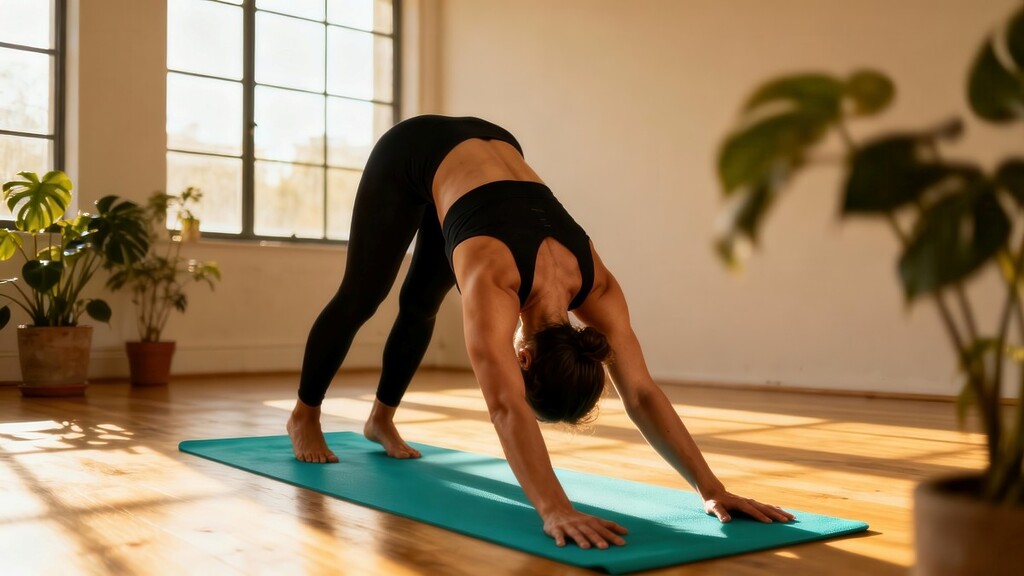
We’ve seen it happen: someone trains daily, eats well, but doesn’t sleep enough – and progress stalls. So give your body proper rest. Sleep seven to nine hours a night, take rest days seriously, and include gentle movement like yoga or stretching to keep blood flowing.
Your hormones and nervous system will thank you – and your thighs will slowly but surely start responding.
7. Be Patient and Track Progress Beyond the Mirror
Here’s a truth not enough people say out loud: fat loss takes time. And the thighs, in particular, can be the last to show change.
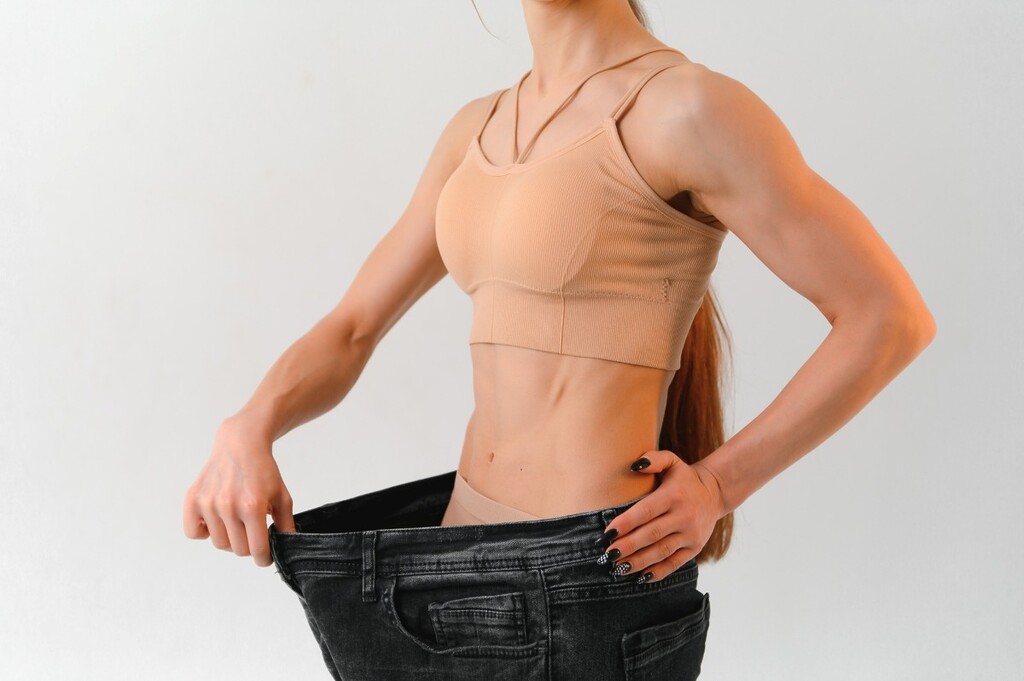
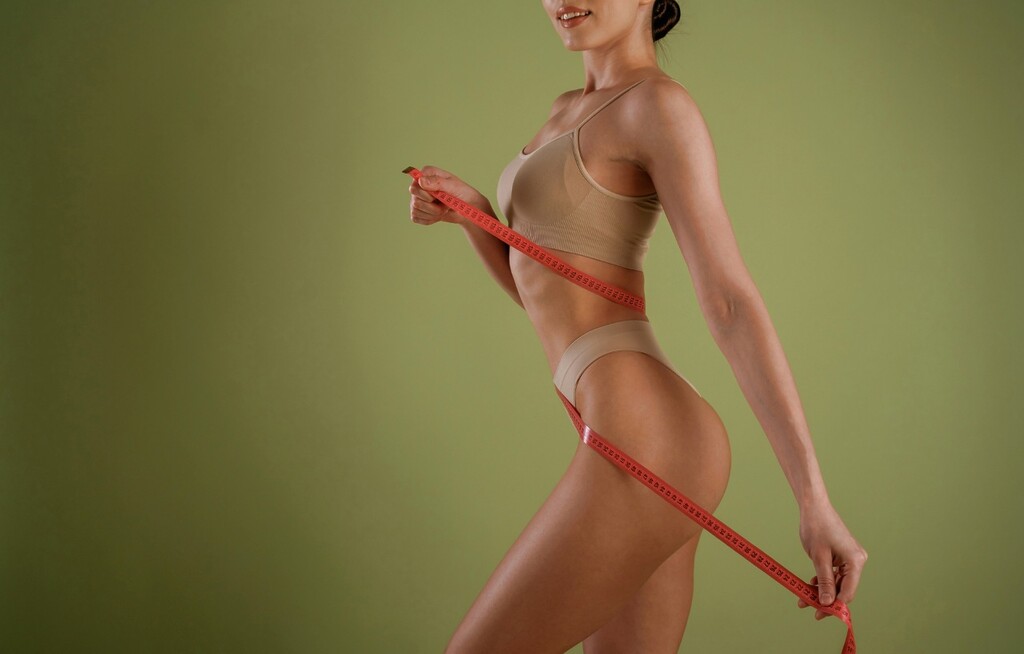
So instead of obsessing over the mirror (or that one pair of jeans), track progress in other ways – take measurements, note how your clothes fit, or focus on strength improvements. Over a few weeks, you’ll start noticing definition, then smoother contours, then visible toning.
And remember, everyone’s version of “lean” looks different. The goal isn’t perfection; it’s balance, comfort, and confidence in your own skin.
Final Thoughts: A Holistic Approach Wins Every Time
Losing thigh fat isn’t about chasing impossible ideals – it’s about combining practical fitness with mindful lifestyle choices. When you approach it holistically, the results are not just physical. You start to feel stronger, lighter, and more you.
We always suggest being kind to yourself through the process. Some weeks you’ll feel unstoppable; others, not so much. That’s normal. Keep showing up anyway.
And if you’re exploring ways to refine results beyond workouts, you can also read our guide on fat reduction tips for love handles – the same principles often apply to the thighs. Combine knowledge, movement, and self-care, and you’ll be surprised how much your body can change when you work with it, not against it.